Shooting film can feel intimidating at first, but once you embrace the process, it becomes a deeply rewarding experience. Film encourages patience, observation, and creativity — and the results often have a charm that digital photography cannot replicate. Here are five simple tips to improve your analog photography skills.
Choose the Right Film
Different films produce different looks. Kodak Portra offers warm tones, Fujifilm provides vivid colors, and Ilford HP5 gives classic black-and-white contrast. Experiment with different film stocks to find your preferred aesthetic.
Understand Light and Exposure
Film responds differently to light than digital sensors. Slight overexposure often works better than underexposure, especially in bright conditions. Observe natural light and how it affects your subject — morning and evening light usually creates the most flattering results.
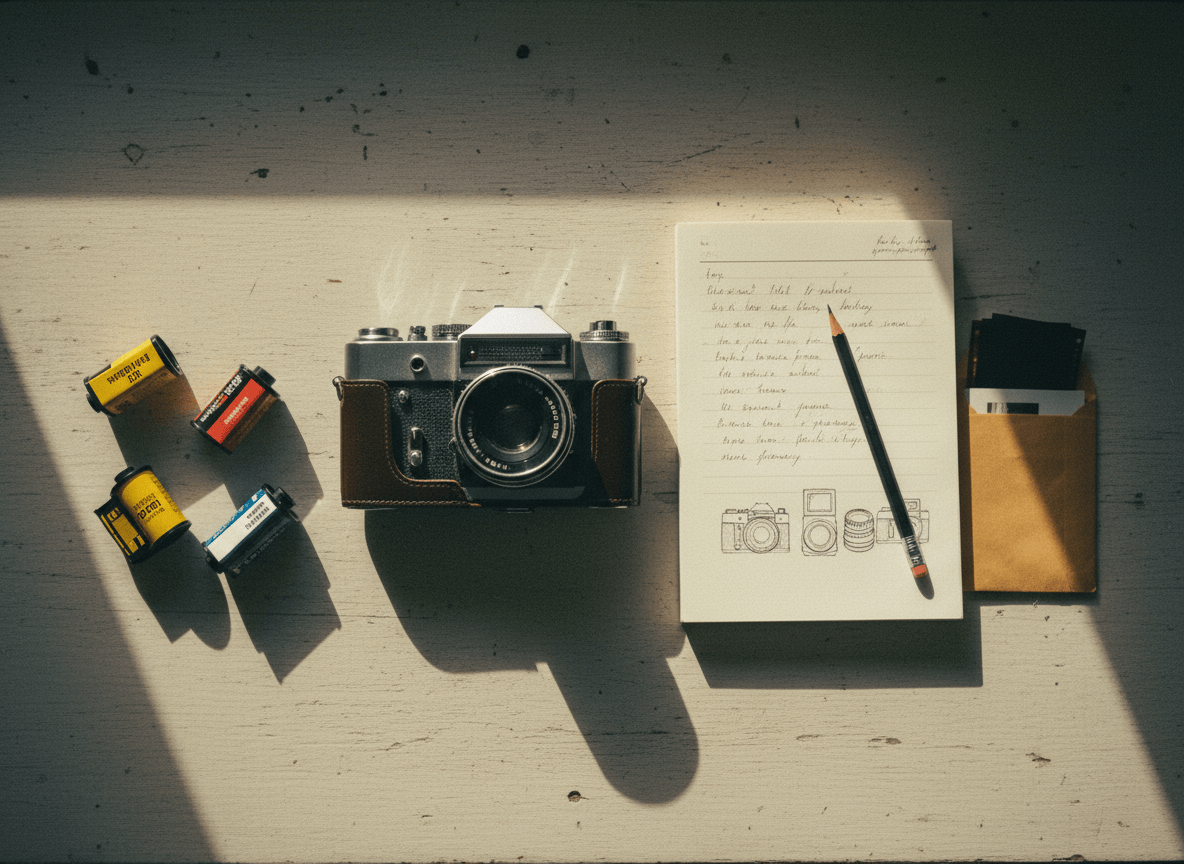
Image generated using AI
Use a Light Meter
Film encourages deliberate composition. Take your time to frame each shot, consider your background, and visualize the final image. Each frame is valuable, so patience is key.
For more insights and inspiration on film photography techniques, check out Adobe’s Complete Beginner’s Guide to Film Photography — a great resource for mastering analog cameras and embracing the unique charm of each frame.
Embrace Imperfections
Dust, scratches, grain, and light leaks add character to your images. Don’t worry about making every shot perfect — these “flaws” are part of the analog aesthetic and tell a story that digital often cannot.
Conclusion
Film photography is about more than technique — it’s about connection and mindfulness. Following these simple tips will help you develop both skill and appreciation for the analog craft, resulting in photographs with depth, emotion, and timeless appeal.
For understanding light in portraits, check out How Light Shapes Emotion in Portraits
This article was generated with AI