Learn more about portrait lighting from Kodak’s film photography guide
Light is the soul of every portrait. It not only defines shapes and textures but also creates the emotional language of your image. When you understand how light interacts with your subject, you start telling stories — not just taking photos.
The Mood of Natural Light
Natural light changes the way we feel a photo. A soft morning glow can make your portrait calm and dreamy, while harsh midday light adds drama and contrast. Experiment with side lighting to emphasize emotions — even a small shift in direction can transform the message.
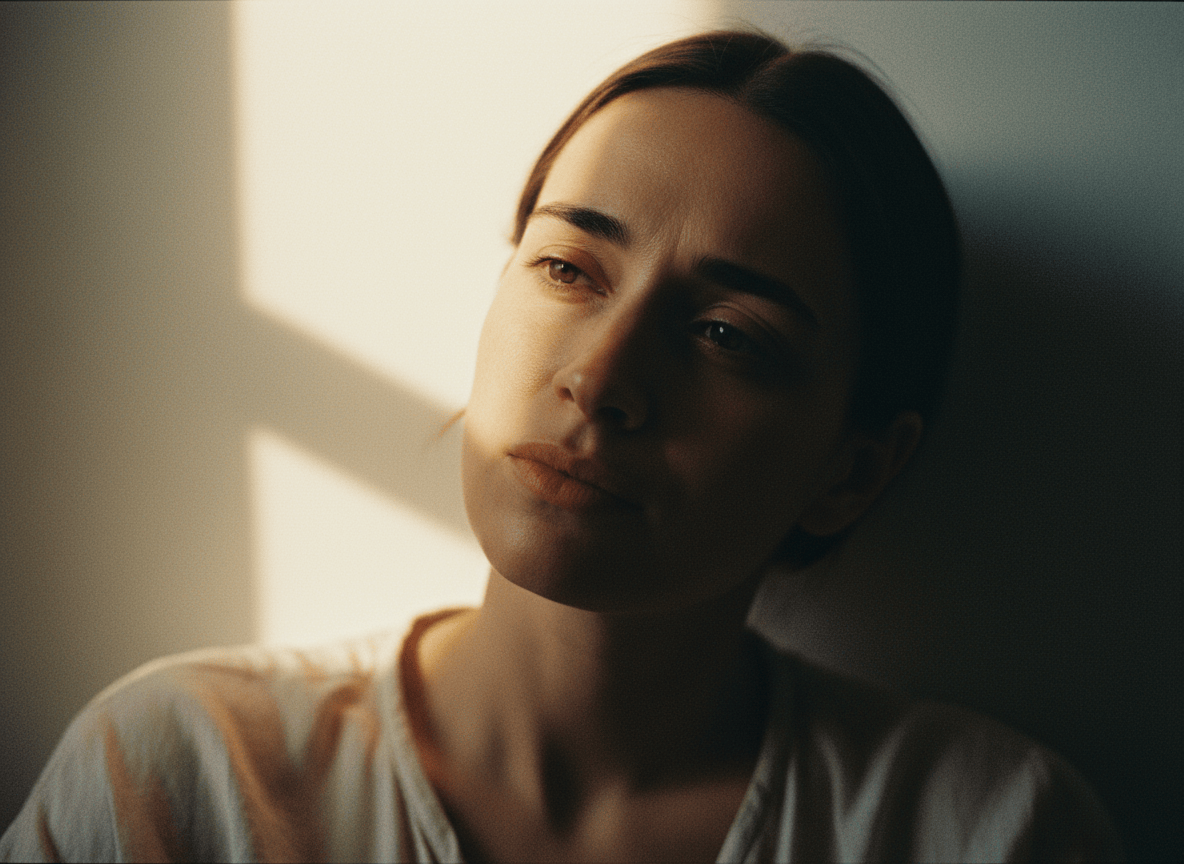
Image generated using AI
Shadows Tell Stories
Shadows are not the absence of light; they are half of your composition. A deep shadow across the face can suggest mystery or sadness, while soft, diffused shadows create comfort and intimacy. Play with window light or reflectors to balance mood and depth.
Finding Emotion Through Color and Tone
Warm tones often evoke feelings of nostalgia and closeness. Cool, blueish light can suggest distance or melancholy. If you shoot film, the color palette of each film stock can help you express specific moods — for example, Kodak Portra for warmth, Ilford HP5 for timeless black-and-white emotion.
Tip: When shooting outdoors, experiment during golden hour — the soft, warm tones of early morning or late afternoon wrap your subject in emotion.
Practice Through Observation
Before taking a photo, look at how light falls on people around you. Notice how their expressions change in sunlight, in shadow, under artificial light. Observation is the first step toward emotional storytelling through portraits.
Read next: 5 Simple Tips for Shooting Film